Timber Windows in Santillana del Mar for New Build and Renovation
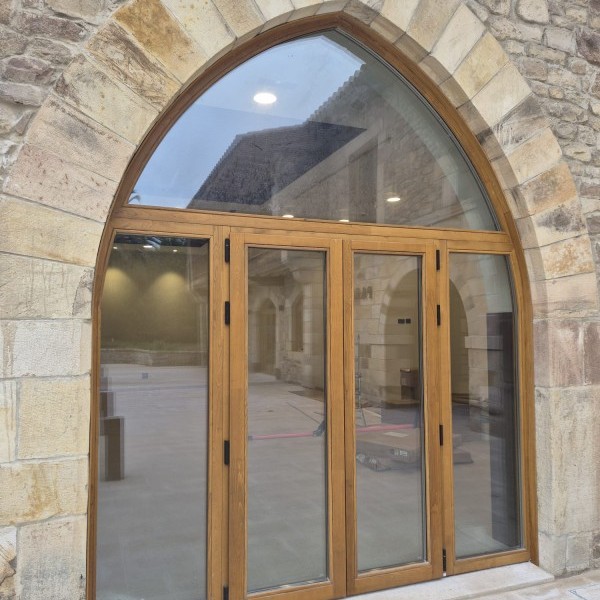
Custom timber windows for new build and renovation projects in Santillana del Mar, combining design, energy efficiency and seamless architectural integration.
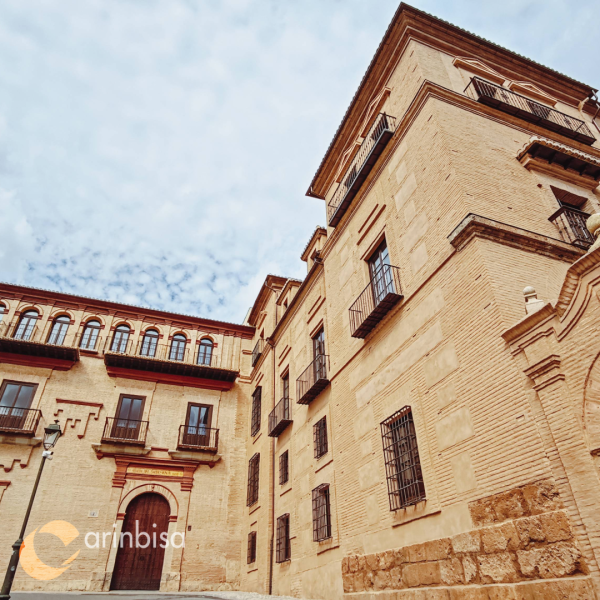
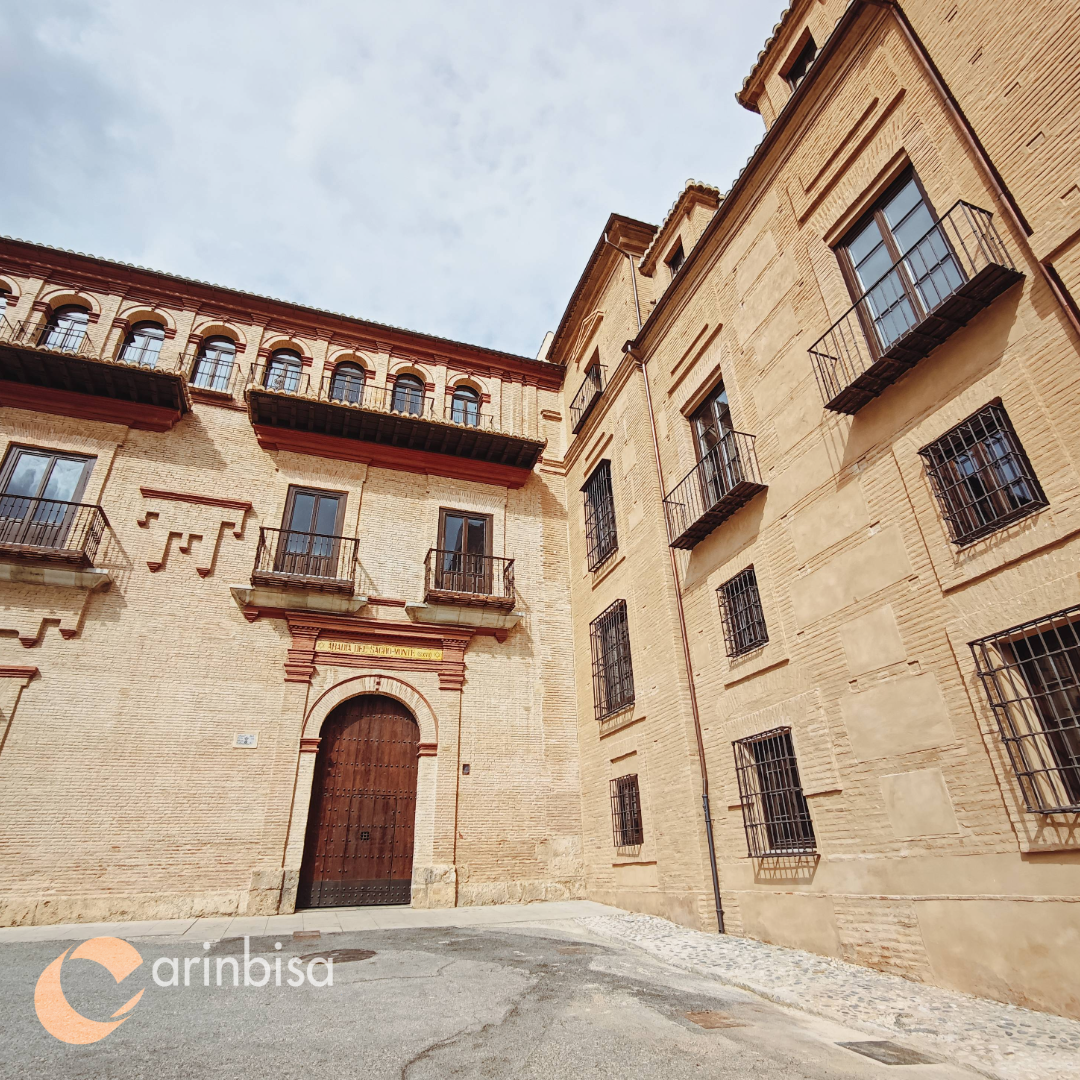
The Sacromonte Abbey, in Granada, is a place of great architectural and symbolic strength, where any renovation must be approached with respect for the building, its context and the material identity that defines it. In this project, wood carpentry plays a particularly important role, not only because of its constructive function, but also because of its ability to integrate naturally into architecture full of history.
For this project, DJ68 Series windows in walnut-stained laminated pine were used, a solution that responds to the demands of a singular setting from a technical, architectural and material perspective. The choice of wood, far from being merely aesthetic, reinforces the coherence of the whole and helps maintain a balanced relationship between traditional construction and the current needs of the space.
Working on a building such as the Sacromonte Abbey means understanding that every element added forms part of a broader architectural reading. The façade, the openings, the proportion of the spans and the way light falls on the materials all create a distinctive atmosphere that does not allow for solutions disconnected from the character of the place.
In this context, wooden windows are an especially suitable choice. Their presence feels natural in architecture with historical roots, where materiality plays a decisive role and where the intervention must accompany the building rather than impose itself on it. Wood brings a calm warmth, an authentic texture and an ability to integrate that is difficult to achieve with other materials.
At the Sacromonte Abbey, this approach is even more meaningful. The carpentry contributes to the overall perception of the building, helping to maintain its visual harmony and reinforce a sober, coherent architectural reading that respects the surrounding context.
For this project, the DJ68 Series was selected, a solution that fits especially well in works where carpentry must respond to criteria of integration, stability and attention to detail. Its application in architecture of this kind allows for windows with a restrained, well-proportioned presence, aligned with the language of the building.
The use of laminated pine provides an ideal material basis for this type of intervention. Laminated wood allows for precision, stability and uniformity, qualities that are especially valuable when carpentry forms part of a demanding architectural project.
The walnut-stained finish reinforces the warm presence of the wood and supports its integration with the existing architecture. Beyond its constructive performance, the value of this choice also lies in its ability to accompany the building without visual excess. Wood does not compete with the architecture: it completes it. In a place such as the Sacromonte Abbey, that carefully balanced discretion is an essential part of the result.
One of the great values of wood carpentry in renovation projects is its ability to act as a connection between interior and exterior. Windows do not simply resolve an opening in the façade; they also frame the light, organise the visual relationship with the surroundings and actively contribute to the atmosphere inside.
In architecture with such a strong material presence, wood helps create a gentler transition between the building and its everyday use. Its texture, visual warmth and natural character generate a more welcoming and habitable perception of the space. This quality is especially important when working in settings where historical architecture must continue to be lived in from a contemporary perspective.
Well-resolved wood carpentry allows comfort to be added without altering the essential language of the building. This is one of the reasons why bespoke wooden windows remain such a valuable solution in projects with a strong architectural identity: they combine material sensitivity, adaptability and aesthetic coherence.
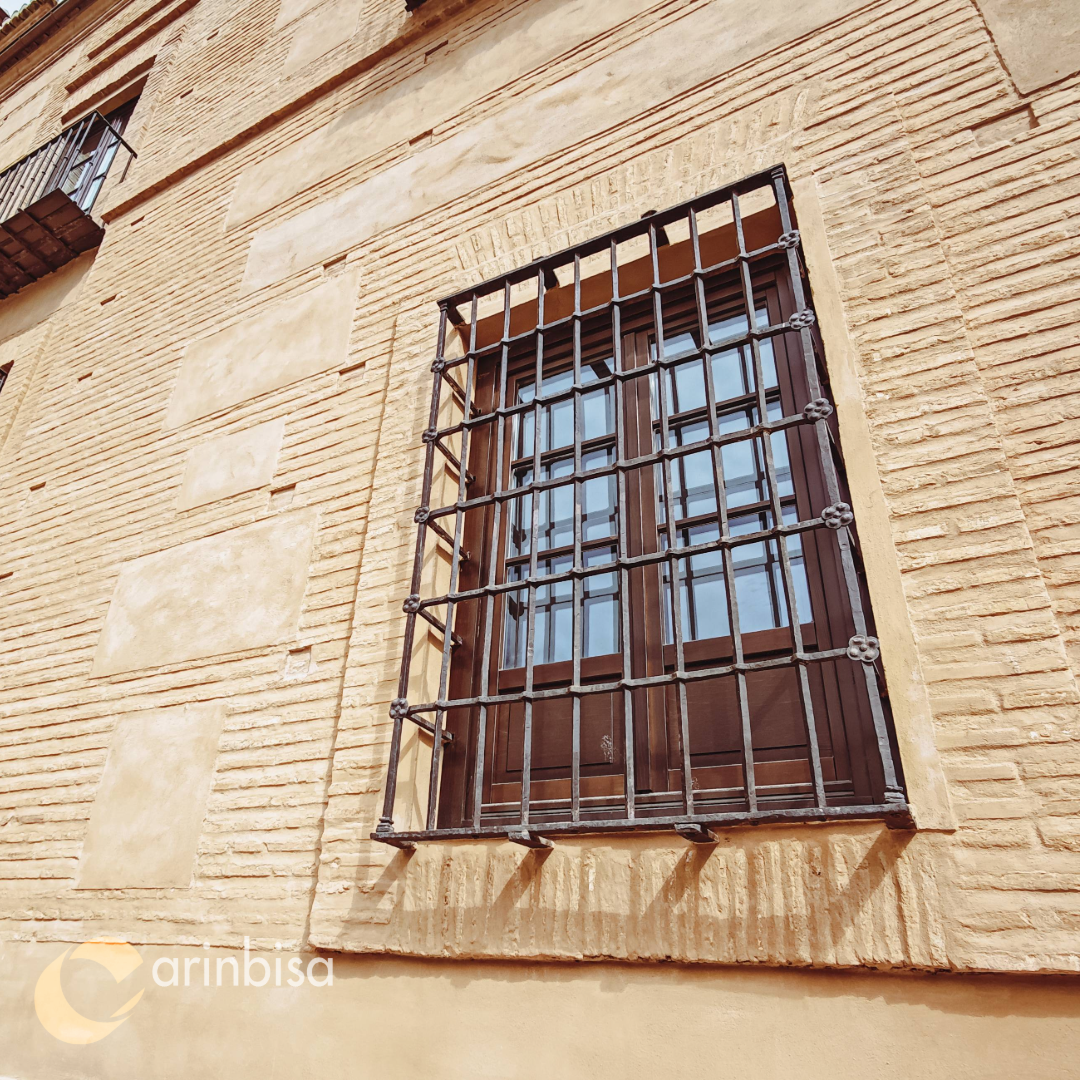
At the Sacromonte Abbey, the carpentry developed for this project responds to a clear idea: to renovate with respect, taking the existing architecture as the starting point. The DJ68 Series windows in walnut-stained laminated pine provide continuity, balance and a presence suited to the character of the building, reinforcing its value without altering its essence.
Projects of this kind show the extent to which carpentry can contribute to the final result of a work. When designed and manufactured with care, it does not merely fulfil a practical function, but helps define the spatial quality, material perception and coherence of the entire intervention.
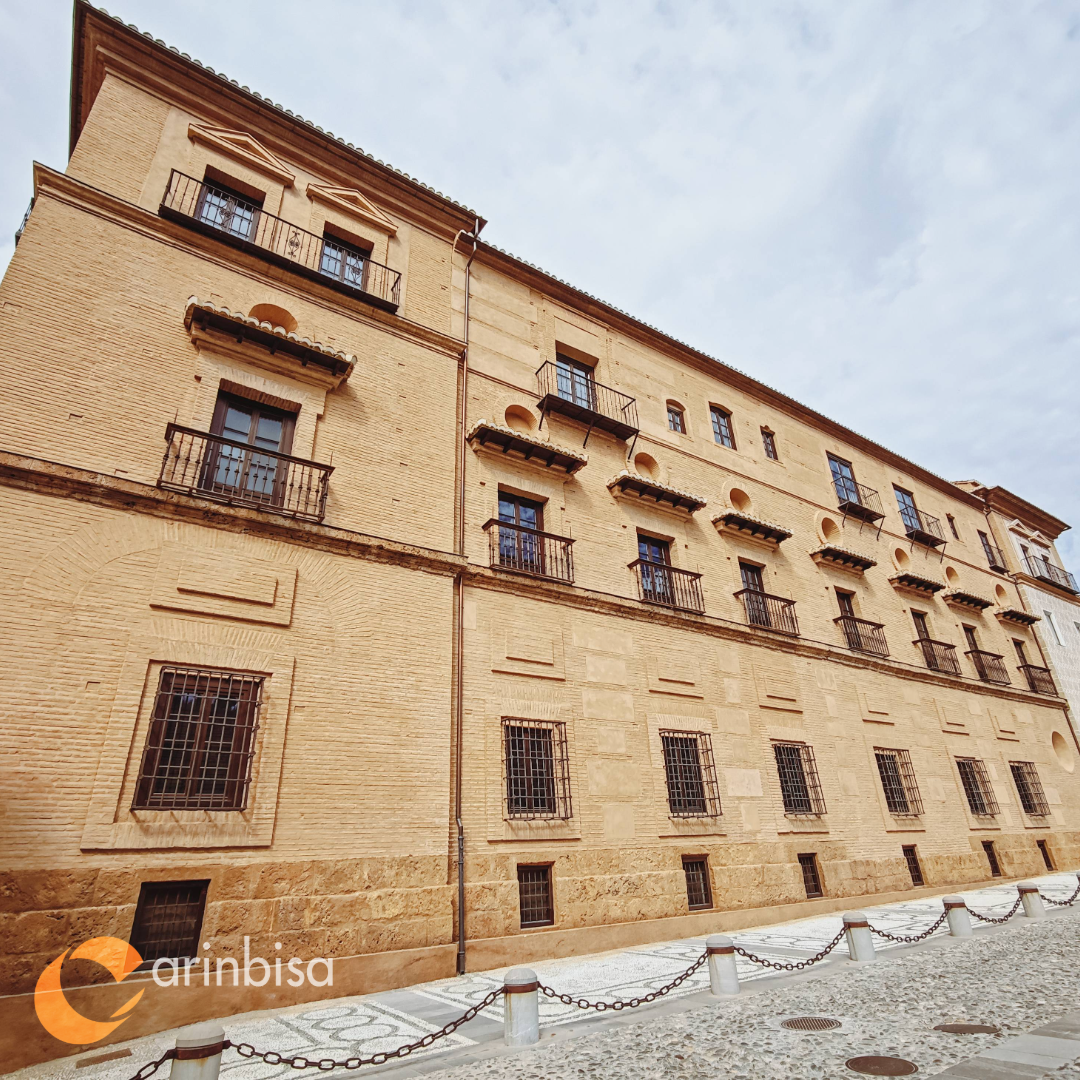
The project was designed by architect Antonio Martín Muñoz and developed together with our distributors Maderas Bullejos and Carpintería Tres Juanes. The Sacromonte Abbey is an example of how wood can integrate naturally into architecture with a strong personality, providing a bespoke solution that brings together material, detail and sensitivity to place.
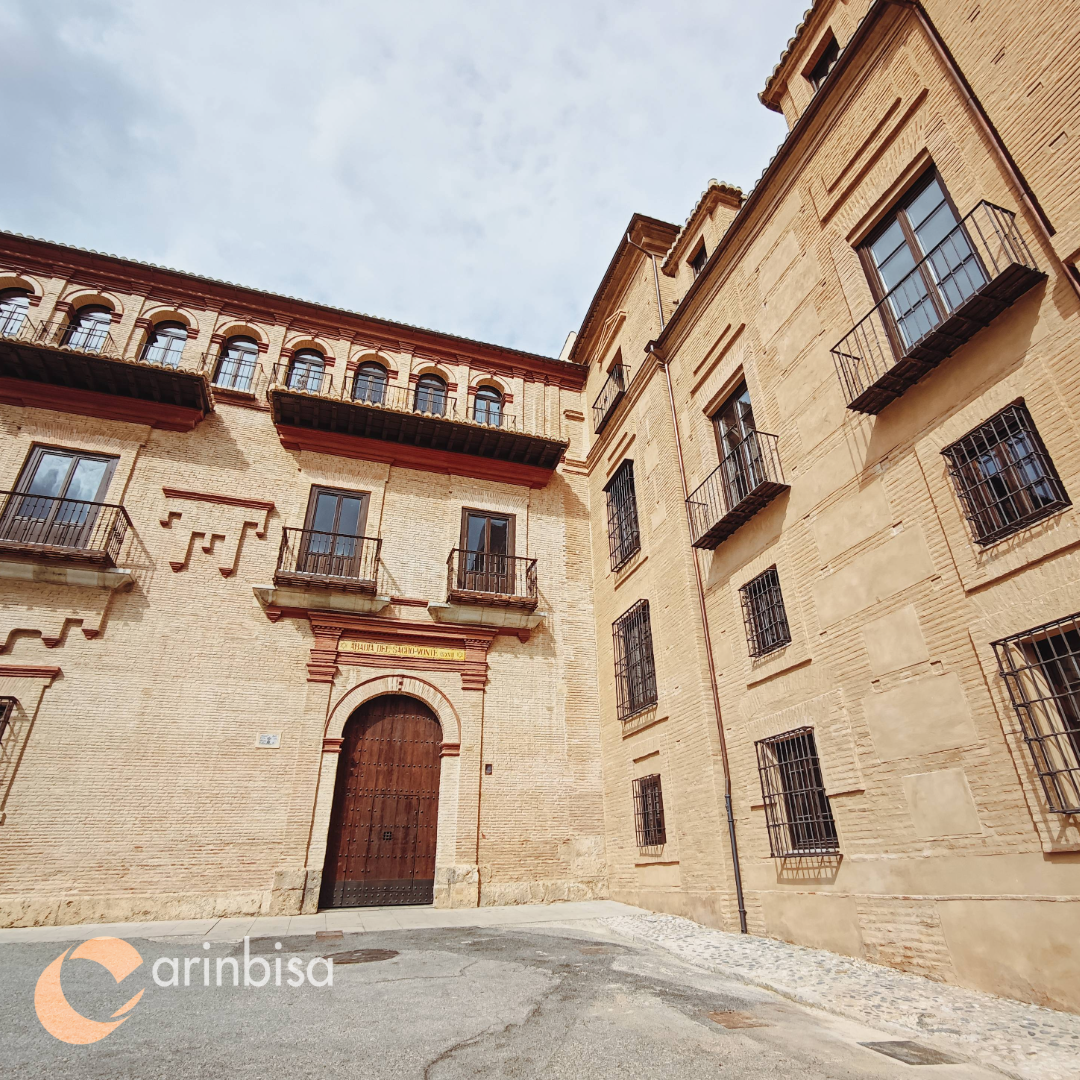
Images of the intervention with wooden windows at the Sacromonte Abbey.
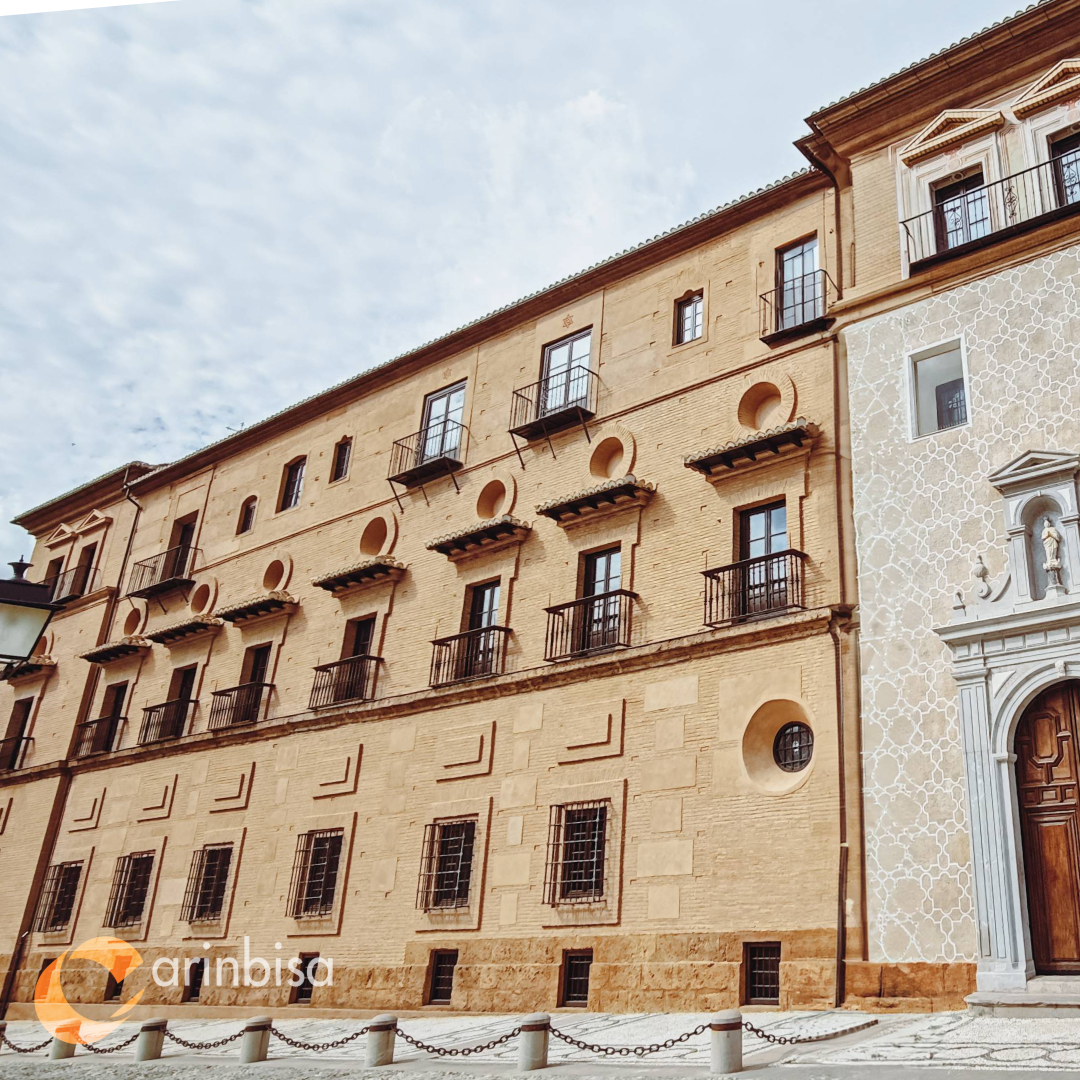
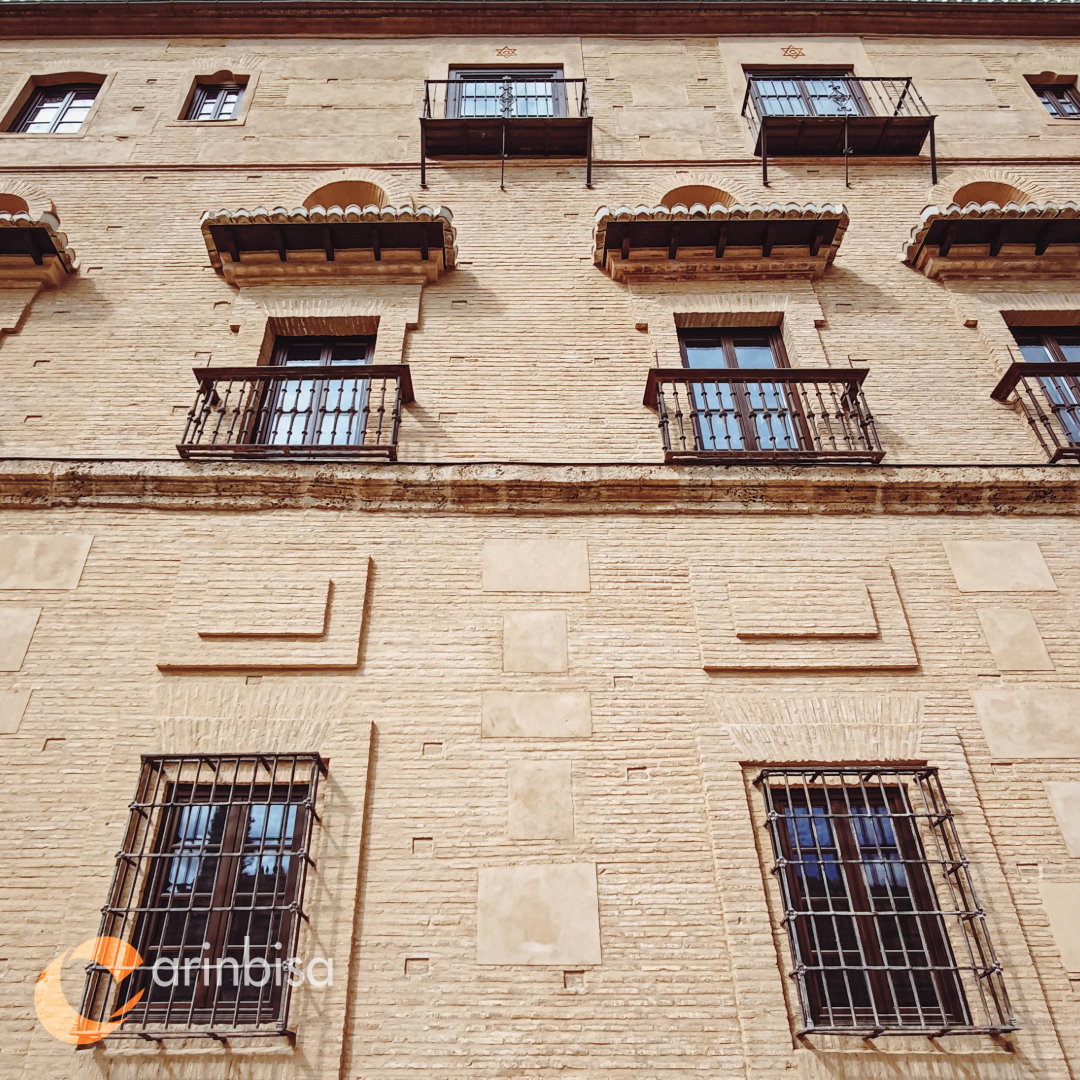
Custom timber windows for new build and renovation projects in Santillana del Mar, combining design, energy efficiency and seamless architectural integration.
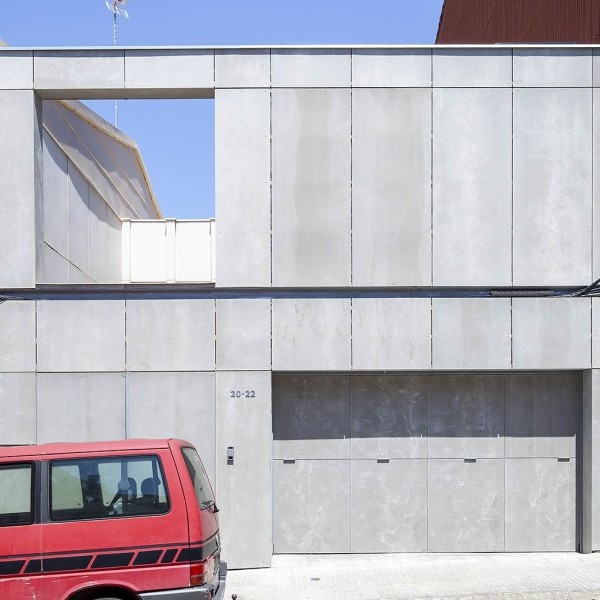
CASA HH Matadepera combines contemporary architecture, passive construction, and DJ68 timber windows to deliver energy efficiency, outstanding comfort, and sustainable design.
Renovation project at Sacromonte Abbey, Granada, with DJ68 Series wooden windows in walnut-stained laminated pine, integrated into historic architecture.